
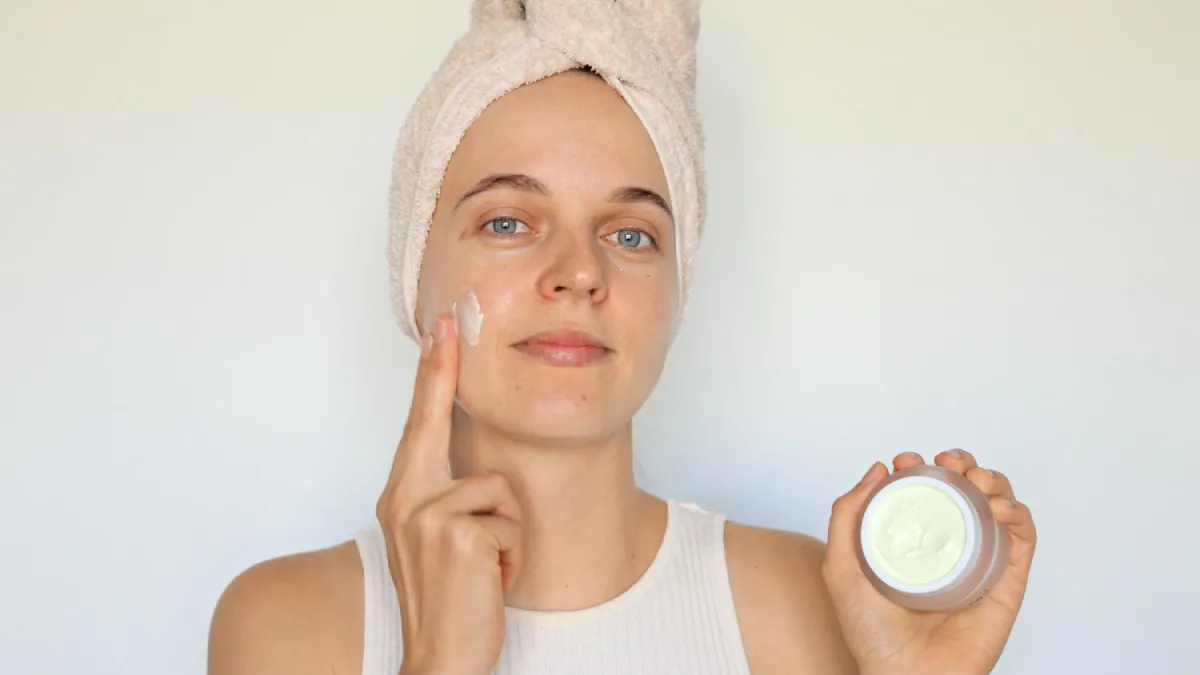
When it comes to skin problems, acne is undoubtedly the biggest nightmare for millions of people. The red, inflamed, and painful lesions encountered every time one looks in the mirror not only cause physical discomfort, but also deeply shake an individual’s self-confidence. Avoiding social environments, hesitating to take photos, and feeling the need to hide behind heavy concealer makeup are psychological situations frequently experienced by those suffering from this condition. Many people try countless commercial cosmetic products on the market in the hope of getting rid of this issue, yet the result is often disappointment. This is because acne is not merely a superficial cosmetic flaw, but a complex medical process originating in the deeper layers of the skin. The fact that this process operates differently in every individual is the primary reason why standardized mass-manufactured products prove insufficient. To get to the root of the condition and achieve lasting recovery, compounded medication applications—one of the medical world’s most refined solutions—come into play. Tailored entirely to the biological characteristics of the patient, this approach puts an end to despair by personalizing healing.
The Limits of Mass Production and the Revolt of the Skin Barrier
Thousands of varieties of acne products adorning shelves are generally formulated with generic compositions designed to address the most common issues among the general public. Major pharmaceutical and cosmetic companies plan production with the calculation that their products will be shipped across the globe and must remain intact on shelves for months, or even years. To guarantee this long shelf life, parabens, sulfates, synthetic alcohols, and potent chemical preservatives are added to the formulations. While even a healthy skin structure may react negatively to such intense chemical exposure, it is nearly impossible for acne-prone skin that is already inflamed, erythematous, and compromised in its barrier to tolerate these substances without damage.
An effective acne treatment is often mistakenly thought to be merely about drying out pimples; however, this is a major misconception. Aggressive drying products on the market completely strip the skin of its vital moisture. When the natural protective surface known as the skin’s acid mantle is disrupted by incorrect product choices and becomes dehydrated, the skin begins producing significantly more sebum (skin oil) as a defense mechanism. This excessive sebum production leads to recurrent and more severe pore clogging, triggering new breakouts. This vicious cycle clearly explains why patients are unable to achieve smooth skin despite struggling for months.
The Flawless Efficacy of Personalized Solutions
Where standardized approaches reach a dead end, dermatology specialists evaluate the patient holistically, with their unique individual dynamics. After conducting a detailed analysis of the patient’s medical history, genetic predispositions, stress factors, nutritional habits, and current skin type, what that specific individual truly needs is determined. Translating this highly specific and customized prescription written by the physician into reality is only possible in a well-equipped compounding pharmacy laboratory. A compounded cream, prepared by meticulously incorporating the active pharmaceutical ingredients specified by the physician into a carrier base best suited to the biological structure of the skin, acts virtually like custom-tailored armor for the patient. These formulations contain no unnecessary preservatives or artificial fragrances that would merely extend shelf life at the expense of harming the skin.
Prepared exclusively with fresh and pure active ingredients, a compounded medication retains its chemical efficacy at the maximum level. For instance, retinoic acid derivatives used for skin peeling and renewal, or potent molecules with antibacterial properties, may gradually oxidize and lose their potency within commercial products depending on shelf storage time. However, in fresh formulations prepared by your specialized compounding pharmacist the moment they are prescribed for you, these substances possess the highest bioavailability rate. By penetrating directly into the compromised cells, they initiate the healing process immediately and powerfully. Furthermore, thanks to this personalized approach, multiple skin issues (for example, both acne and severe dryness) can be resolved simultaneously within a single formulation.
The Power of Targeted Pure Ingredients
Three main mechanisms typically underlie acne formation: the obstruction of hair follicles by dead cells, excessive sebum production by sebaceous glands, and the rapid proliferation of bacteria within this trapped sebum. A successful acne treatment must possess the capacity to intervene in these three factors concurrently. Dermatologists can prescribe ingredients such as salicylic acid or glycolic acid to clear dead cells from the skin surface; erythromycin or benzoyl peroxide to eradicate bacteria beneath the skin; and niacinamide to suppress inflammation and erythema, all in precisely calibrated proportions.
It is impossible to find all of these potent chemicals at optimal concentrations within a single commercial product. Even if found, their percentage ratios may not be suitable for your skin’s delicacy or tolerance level. In a modern laboratory environment, however, the exact weight of each component is measured on precision electronic balances according to the specific levels determined by your physician and blended with utmost care. Mixing processes that once took long hours in a mortar and pestle are now performed using precision mixing devices and advanced pharmaceutical equipment. The pharmacist utilizes advanced pharmaceutical techniques to ensure these acidic and basic substances function harmoniously within the same container without degrading one another. Consequently, the patient’s complex skincare routine is simplified, and treatment adherence and success rates increase dramatically.
The Need for Distinct Approaches: From Adolescence to Adulthood
Although acne is most commonly associated with adolescence, it can affect all age groups. Rising hormone levels during puberty overstimulate the sebaceous glands, leading to numerous superficial lesions typically clustered around the forehead, nose, and chin. A compounded cream prepared for patients in this age group generally focuses on balancing excess sebum, deeply purifying pores, and desiccating bacteria. Because adolescent skin cells regenerate much faster, their response to treatment with proper formulations is usually quite rapid.
On the other hand, adult acne emerging in the late twenties or thirties exhibits a far more recalcitrant nature. Driven by hormonal cycles, thyroid irregularities, polycystic ovary syndrome (PCOS), or severe lifestyle stress, this type of acne generally presents as deep, painful, and cystic lesions along the jawline and neck. Because adult skin contains less collagen and requires significantly more hydration compared to teenage skin, aggressive drying agents applied to adolescents can lead to profound irritation and premature wrinkling in adults. For this reason, when prescribing custom formulations for adult patients, physicians favor gentle and restorative formulas designed to treat acne while simultaneously mitigating the signs of aging.
Rebuilding the Skin Barrier
The most vital phase of the healing process is maintaining the strength of the skin’s natural flora and protective ceramide barrier while resolving acne lesions. If this barrier is compromised, the skin becomes vulnerable to environmental pollution, free radicals, and microbiological attacks. In this context, a compounded medication prepared in accordance with your physician’s diagnosis and prescription does not merely contain therapeutic active agents. The compounding pharmacist incorporates these chemical agents into hydrating, lipid-based emollient ointments or hyaluronic acid vehicles that integrate seamlessly with the skin, nourish tissue, and prevent transepidermal water loss. Thanks to this delicate detail, the patient can undergo the treatment process in optimal comfort, without experiencing dryness, tautness, or flaking.
Throughout the treatment course, it is imperative that the patient aligns their daily cleansing and protection routine with these specialized formulations. Using harsh sulfate cleansers and high-alcohol toners purchased from retail markets can negate all the beneficial effects of the precision formulation prepared in the laboratory. Utilizing dermocosmetic cleansers recommended by your physician and pharmacist that respect the skin’s pH balance, along with diligently applying non-comedogenic (pore-friendly) sunscreens to protect the epidermis during cellular turnover, are indispensable steps toward achieving lasting, clear skin.
Nutrition, Lifestyle, and the Holistic Healing Process
Reactions observed on the skin’s surface are often signals of our internal bodily processes. Expecting permanent and flawless outcomes solely from topical formulations contradicts modern medical philosophy. Avoiding foods with a high glycemic index, excessive refined sugar consumption, and additive-laden processed foods during treatment prevents sudden fluctuations in blood glucose levels. Maintaining glycemic balance indirectly regulates cutaneous inflammation and sebum production. In addition, stress management is a major factor that must never be overlooked. Severe and chronic stress elevates systemic cortisol levels, thereby impairing the skin’s innate self-repair mechanisms. Maintaining a regular sleep schedule, drinking plenty of water, and supporting your body from within will crown the success of the formulations prepared in the pharmacy laboratory.
The Trust of the Pharmaceutical Art and the Role of Patience
No matter how advanced medical technology becomes, nothing can replace fresh preparations tailored gram by gram to the patient’s individual needs in a fully equipped laboratory. Selecting the correct active ingredients and ensuring their safe penetration through skin layers to reach the target cells is the result of years of rigorous academic training. Your pharmacist is not merely the professional who compounds the formulation, but also your closest healthcare advisor guiding you through this demanding healing journey. An effective and reliable acne treatment is only possible in facilities adhering to these high standards, with preparations crafted by competent hands blending science and the art of pharmacy.
Patients must manage their expectations properly and remain patient when embarking on this process. Deep cellular cleansing and completing the epidermal turnover cycle is a physiological process requiring time. In the initial weeks of treatment, a phenomenon known as “purging” may occur, whereby subclinical inflammation surfaces. This reaction indicates that the medication is actively working. Remaining committed, using the prescription consistently, and allowing your physician to readjust dosages during monthly follow-ups are the most essential rules on the path to success.
Frequently Asked Questions
How long does it take for personalized laboratory formulations to yield results?
Cellular regeneration is a biological process that takes time. The complete renewal of the epidermis takes an average of 28 days. A compounded medication prepared for acne problems typically begins to alleviate surface erythema, swelling, and inflammation within the first two to three weeks. However, to achieve permanent results, deep pore clearance, and barrier reinforcement, the formulation must be used continuously and regularly for the duration recommended by your physician—typically at least two to three months.
Do compounded formulations prepared for acne cause skin peeling?
This effect depends entirely on the specific diagnosis made by your physician and the concentration of acids or vitamin A derivatives included in your prescription. A successful acne treatment generally aims to gently exfoliate the outermost dead, damaged layer of the skin, allowing fresh, healthy tissue to emerge from beneath. However, thanks to the specialized moisturizing vehicles adjusted by your pharmacist according to your skin’s tolerance, this cellular renewal usually occurs at a gentle, microscopic level that is imperceptible in daily life.
Should I store it in the refrigerator?
A compounded cream, prepared fresh in the laboratory specifically in your name, does not contain the heavy synthetic preservatives and parabens found in mass-market industrial cosmetics. Because it consists of fresh and pure ingredients, its shelf life is defined accordingly. Whether a particular compounded preparation should be kept at room temperature protected from light or stored in the refrigerator (between two and eight degrees Celsius) depends on the molecular properties of its ingredients. Upon dispensing your medication, your pharmacist will clearly indicate both the beyond-use date and proper storage instructions on the label.
The Right Step Toward Clear Skin
Acne is a call for help sent by your body, and attempting to silence this call with mass-produced, one-size-fits-all products often results in lost time and disappointment. Genuine, long-lasting recovery is achievable through scientific methods that address the root cause of the problem, respect your biological individuality, and are formulated entirely for you. Attaining clear, radiant, and healthy skin is entirely within reach through the combination of an accurate physician diagnosis, premium pharmaceutical-grade raw materials, and the expert craftsmanship of a compounding pharmacist. To benefit from the latest scientific approaches throughout your treatment, access reliable formulations, and provide your skin with the care it deserves, you can confidently consult your specialized physicians and pharmacists under the guidance of the Compounding Pharmacists Association, which sets high professional standards in the field. Healthy, self-repairing, and glowing skin begins with a compounded cream formulated exclusively for you.

Leave A Comment