Dear colleagues, in the second part of my article, which I published last week and translated from the Spanish National Formulary, I will share with you the preparations used in the treatment of scalp dandruff.
As is known; Phytotherapy means treatment with plants. The term was first used by the French physician Henri Leclerc (1870-1953) in the medical journal named La Presse Médicale.
Since ancient times, humankind has sought benefit from plants to treat diseases and has obtained results. The earliest written record regarding the use of plants in the field of health dates back to around 3000 BC. It is known that herbal remedies were used in civilizations such as the Sumerians, Assyrians, and Akkadians in the Mesopotamian region. Plants also have an important place in Chinese and Indian medicine. Herbal products are mentioned in the book of Hippocrates, who is considered the father of Greek medicine. In Islamic civilization, Ibn Sina and Al-Ghafiqi have significant works on herbal medicine. In his book “The Canon of Medicine”, Ibn Sina allocated broad coverage to the introduction and use of therapeutic plants.
As a result of advances in the fields of chemistry and biochemistry in the 20th century, the opportunity to conduct toxicological, pharmacological, and clinical studies on plants arose, and the possibility of utilizing these plants in drug preparation increased. The composition of some medications used today includes substances identified from the findings obtained in these studies.
Today, phytotherapy is addressed by the department of Pharmacognosy in Pharmacy. The greatest difference between past phytotherapy practices and today is that plants are no longer used in their entirety, but rather their beneficial parts are used for therapeutic purposes. For example, in the past, a tea was brewed and consumed to benefit from a plant’s essential oil, whereas now the essential oil in that plant is extracted and used on its own. This ensures that the patient is kept away from other useless parts of the plant that may also have side effects. Today, the country where phytotherapy has developed the most is Germany. In our country as well, a great duty and responsibility falls upon us pharmacists, especially our universities, in the development of this branch of science.
Formula;
Rp.
Acido fénico 10 g
Alcohol romero 40 g
Substances in the formula;
Acido fénico – Phenyl alcohol – Phenol – Carbolic acid – Phenylic acid;
Phenol exists as colorless, light pink, or pale yellow, hygroscopic, pointed crystals or crystalline clusters that darken upon standing, with a characteristic odor. Its freezing point is approximately 39.5°C. According to the British Pharmacopoeia (BP): Soluble in water; very soluble in alcohol, dichloromethane, and glycerol. According to the United States Pharmacopeia (USP): Soluble 1:15 in water, 1:70 in liquid paraffin; very soluble in alcohol, chloroform, ether, glycerol, and volatile oils. A solution of 1 g of phenol in water is clear and gives a neutral or acidic reaction to litmus. It is incompatible with alkali salts and non-ionic surfactants.
Phenol is one of the oldest antiseptic-disinfectants. Nowadays, it is rarely used as an antiseptic. It also exhibits local anesthetic and analgesic effects. It is included in the composition of preparations used as topical analgesics against toothaches. Combined with benzocaine and ethanol, it is applied topically for toothache, aphthous ulcer (it has not been found safe alone in the treatment of aphthous ulcers), herpes labialis, minor dental surgery procedures, and mild lesions and irritations in the mouth and gums caused by dentures and fillings. Its 0.5%–1% solutions are used against itching. It exhibits antiseptic and disinfectant activity against Gram-positive and Gram-negative bacteria, mycobacteria, and some fungi. Its effect against spores is very slow and inadequate. It is also effective against certain specific viruses. Its activity increases in acidic solutions. Aqueous solutions up to 1% concentration exhibit bacteriostatic effects, while more concentrated solutions exhibit bactericidal effects. Phenol exerts its effect by increasing the permeability of the cytoplasmic membrane of bacteria and fungi. Phenol is applied topically only. It is absorbed from the gastrointestinal tract, skin, and mucous membranes. Phenol should be stored below 15°C in airtight containers. It must be protected from light.
Alcohol romero;
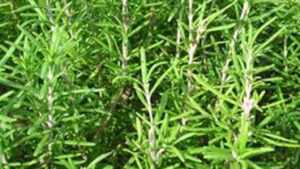
Rosemary extract is prepared with 2% rosemary essence in 90° ethanol.
Directions for use and storage;
In an amber glass bottle, the calculated amount of phenol crystals added into the Rosemary extract is dissolved. The solution is applied once daily with light dabs onto the dandruff-affected areas of the scalp, referred to as a type of Candida.
Rp.
Formula;
Acido fénico 8 g
Alcohol remoro 80 ml
This preparation has stimulant properties and is used externally for antispasmodic purposes.
While one part of rosemary dissolves in 90° ethanol, it forms a slightly cloudy solution in 80° ethanol. It provides a bitter aromatic taste with a camphor odor. It is a colorless liquid. It should be preserved in cool, tightly closed containers and protected from light.
To be continued…
Wishing you a good week…
Source: La Formulación Magistral en la Oficina de Farmacia Valencia, 1981
Specialist Pharmacist Ahmet Nezihi Pekcan
Pekcan Pharmacy – Konya
[email protected]
Tel: (332) 3520657
http://www.majistralformul.com/