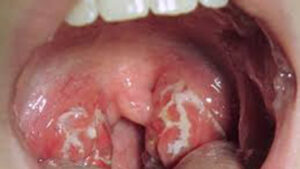
Dear Colleagues; this week we will examine a formula used for throat infections, which increase as the weather gets colder. Pharyngitis (throat inflammation) is defined as inflammation of the mucous membrane lining the pharynx and the tissue layers beneath it. In other words, it is an inflammation occurring on the posterior wall of the nasal and oral cavities. Two types of pharyngitis are seen, acute and chronic, and they differ from each other. Rapidly developing, severe inflammations are acute pharyngitis. The type of pharyngitis that has a milder course but lasts longer, on the other hand, is chronic pharyngitis. The symptoms of acute pharyngitis are not limited to the throat alone. In addition to complaints such as sore throat, burning, and dryness in the throat, symptoms like hoarseness, fever, malaise, and runny nose may also occur. Generally, an upper respiratory tract infection is involved. In chronic pharyngitis, however, there is no fever or malaise, but difficulty swallowing, a tickling cough, burning, tightness, a foreign body sensation, and a frequent urge to clear the throat are present. Infection is again a factor, but throat irritants such as air pollution play a larger role in chronic pharyngitis. If acute pharyngitis recurs frequently, it can turn into chronic pharyngitis.
In the treatment of this condition, we will examine a very effective formula applied to the oral cavity, which is included in the BRITISH PHARMACEUTICAL CODEX (1968).
Rp.
Iodine 1.25 g
Potassium iodide 2.50 g
Purified water 2.50 ml
Peppermint essence 0.40 ml
Alcohol (90%) 4.0 ml
Glycerin qs 100.00 ml
Substances included in the formula;
Iode- jodum- iodum- Iode T.K.;
Iodine occurs as easily friable flakes or small crystals with a sharp, pungent odor, metallic appearance, and violet grayish-purple or grayish-black color. Solubility according to the British Pharmacopoeia (BP): Soluble in alcohol and chloroform; slowly soluble in glycerol. Solubility according to the United States Pharmacopeia (USP): Soluble in water at 1:3000, in alcohol at 1:13, in glycerol at 1:80; freely soluble in chloroform and ether; soluble in iodide solutions. It forms a pungent and irritating compound with acetone. Iodine exhibits a strong bactericidal effect. It is effective against fungi, viruses, protozoa, and spores. Iodine demonstrates a cidal effect on all types of microorganisms, including viruses and spores, even at low concentrations. When applied to the skin, iodine is slowly absorbed. It should not be applied to edematous skin.
Iodeto de potassio- Iodure de potassium [FP]- Jodkalium- Kalii iodidum [IP3]- Potassium iodide [BP; INCI; P.Cx.79; USP];
Potassium iodide occurs as colorless, odorless, transparent or somewhat opaque crystals, or as a white granular powder. It is slightly hygroscopic. One gram of potassium iodide contains 6 mmol potassium and 6 mmol iodine. It is soluble in water at 1:0.7, in boiling water at 1:0.5, in alcohol at 1:22, and in glycerol at 1:2. Its aqueous solutions are neutral or show an alkaline reaction to litmus. Iodine dissolves immediately in an aqueous solution of potassium iodide, forming a dark brown solution. Oral potassium iodide solution (SSKI) contains 1 mg KI per milliliter (240 mL). Its standard preparations are prepared in 240 mL bottles. One drop of SSKI solution contains 47 mg KI.
Potassium iodide (KI) is also beneficial in dermatological diseases; its efficacy against cutaneous and lymphocutaneous sporotrichosis has been demonstrated. It is used in the treatment of entomophthoramycosis caused by Basidiobolus and Conidiobolus fungi in tropical regions. The drug is used off-label as a second-line agent against various inflammatory dermatoses such as erythema nodosum, subacute nodular migratory panniculitis, nodular vasculitis, erythema multiforme, and Sweet syndrome. Potassium iodide was officially approved by the FDA in 1939. In addition, the FDA in the US has approved certain potassium iodide tablets (e.g., Iostat™ and Thyro-block®) and oral potassium iodide solution (ThyroShield®) against exposure to radioactive iodine (e.g., nuclear power plant accidents or a “dirty bomb” containing iodine-131). These products are distributed by government or public health authorities to individuals at high risk and are approved for over-the-counter sale to the public.
Alcohol- Ethanolum Dilutum- Dilute Ethanol;
Dilute Ethanol is a mixture of ethyl alcohol and water. It should not contain less than 69.1% v/v and not more than 71.0% v/v, or less than 61.5% w/w and not more than 63.5% w/w of C2H6O. Although Ethyl Alcohol is active at a concentration of 60–90%, a 70% concentration (vol/vol) demonstrates optimal efficacy for skin antisepsis. In contrast, when the concentration falls below 50%, it loses its activity to a large extent.
Glicerol- Glycerine- Glycerol 85%;
Gliserin is a clear, colorless or very pale, hygroscopic, syrupy liquid that is odorless or nearly odorless with a sweet taste. It is miscible with water and alcohol; slightly soluble in acetone; practically insoluble in chloroform, ether, fixed oils, and essential oils. The pH of its aqueous solutions shows a neutral reaction to litmus. According to the United States Pharmacopeia (USP), the pH of Glycerin Oral Solution, USP is between 5.5 and 7.5. Strong oxidizing agents form explosive mixtures with glycerin.
Preparation;
Iodine and potassium iodide are dissolved in water. Peppermint essence, previously dissolved in alcohol, is added to 50 ml of glycerin and then added to the iodine solution. Finally, the formula is made up to 100.00 ml with the addition of glycerin and mixed thoroughly.
Wishing you a happy year…
References;
1- British Pharmaceutical Codex 1968
2- RxMediaPharma® 2016 Interactive Drug Information Source.
Specialist Pharmacist Ahmet Nezihi Pekcan
Pekcan Pharmacy – Konya
[email protected]
Tel: (332) 3520657