Formula;
Rp.
Pix Juniperi
Adeps lanae
Vaselinum / aa 30 g
Ingredients in the formula;
Prickly juniper tar- Pix cadi- Juniperi pix- Cade oil- Alquitran de enebro- Juniper tar oil- Goudron de cade- Pix Juniperi oxycedri- Spanische Cederteer;
Juniper tar (pix juniperi oxycedri) is obtained from the trunk and branches of the prickly juniper (Juniperus oxycedrus L.) plant, which grows widely in Anatolia. It is a syrupy, reddish-black liquid with a sharp and distinctive odor, and a spicy, pungent, and bitter taste.
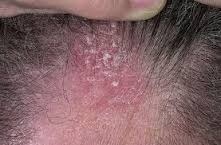
Juniper tar contains essential oil, resin, cadinene (a triterpene), and phenol derivatives (guaiacol and cresol derivatives) in its composition. This drug with antiseptic properties is used by applying directly to the skin or in ointment form. It is also used externally in the treatment of eczema and psoriasis. It is beneficial in the treatment of seborrhea, eczema, psoriasis, dandruff, flaking, and itching of the scalp. It is generally included in the composition of shampoos prepared for this purpose. Juniper tar (Cade oil) is obtained from the destructive dry distillation of the wood of the juniper (Juniperus oxycedrus) tree belonging to the Pinaceae family. It is a syrupy, dark brown liquid with a bitter taste and a pungent odor. It contains guaiacol, ethylguaiacol, cresol, and cadinene. It is very slightly soluble in water; soluble 1:9 in alcohol; soluble 1:3 in ether leaving small residues behind; partially soluble in petroleum ether; miscible with amyl alcohol, chloroform, and glacial acetic acid. Juniper tar (Cade oil) should be stored in airtight containers. It should not be left in excessive heat. It must be protected from light. While it is present in shampoo formulations at concentrations of 1–5%, it is applied to the scalp once daily.
Anhydrous lanolin- Susuz lanolin- Wool fat- Adeps lanae- Anhydrous lanolin- Lanolin anhydrous- Wool fat;
Lanolin is an ointment vehicle. It is widely used in topical pharmaceutical formulations and cosmetic products. It is used in the preparation of water/oil type creams and ointments. When mixed with suitable vegetable oils or petrolatum, creams with emollient properties that penetrate the skin are obtained. Due to this property, it facilitates the absorption of medicinal agents. Lanolin mixes with approximately twice its weight in water without phase separation to form stable emulsions. Lanolin is a purified waxy substance obtained from sheep’s wool (Ovis aries, Bovidae). It mainly consists of fatty acid esters of cholesterol, lanosterol, and fatty alcohols. It is a yellowish, greasy substance with a characteristic odor. When melted, it turns into a clear or nearly clear yellow liquid. According to the United States Pharmacopeia (USP), its melting point is between 38–44°C. USP permits the inclusion of up to 200 ppm of a suitable antioxidant. 10 g of lanolin must absorb at least 20 ml of water. It is practically insoluble in water; sparingly soluble in cold alcohol, freely soluble in boiling alcohol. It dissolves easily in benzene, chloroform, ether, and petroleum ether. It may undergo slow auto-oxidation during storage. To prevent this, the addition of butylated hydroxytoluene (BHT) is permitted. In case of prolonged heating, its color darkens and an unpleasant odor may develop.
Vaselinum- Vaseline officinale- White petrolatum- White petrolatum- Petrolatum album- Weißes Vaselin;
Petrolatum is obtained from petroleum. It is a purified mixture of semi-solid saturated hydrocarbons with the general formula CnH2n+2 . It is the bleached form of yellow petrolatum. It is a white, translucent, soft-consistency mass. It is odorless and tasteless. It is practically insoluble in acetone, alcohol, glycerin, and water; soluble in benzene, carbon disulfide, chloroform, ether, hexane, and numerous fixed and volatile oils. The United States Pharmacopeia (USP) permits the addition of a suitable stabilizer to its composition. Petrolatum is incorporated into the composition of topical pharmaceutical preparations as an emollient ointment base. It is not easily absorbed through the skin. It is also used in creams, transdermal preparations, and cosmetic products. Hypersensitivity reactions associated with its topical use have been reported. Polycyclic aromatic hydrocarbon impurities it carries may cause allergic reactions. The amount of these impurities depends on the source of the petrolatum and the degree of purification. Hypersensitivity reactions caused by white petrolatum are less frequent than those caused by yellow petrolatum. Therefore, white petrolatum is preferred in cosmetic products and pharmaceutical preparations. It should be stored in well-closed containers in a cool and dry place. It must be protected from light. Petrolatum is a fairly stable substance. However, it may cause stability problems due to the very small amounts of impurities it contains. These impurities can be oxidized under the influence of light to cause discoloration. As a result, undesirable odors may develop. Such oxidations can be prevented by adding an antioxidant such as butylated hydroxyanisole, butylated hydroxytoluene, or alpha-tocopherol. It should not be heated for long periods above the temperature required to make it completely fluid (approximately 70°C).
Preparation of the formula;
Lanolin is softened in a water bath and mixed with juniper tar in a mortar. Then, petrolatum softened in a water bath is added and mixed until a homogeneous mixture is obtained to complete the preparation.
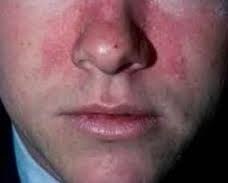
Juniper tar shampoo formula in the treatment of Seborrheic Dermatitis observed on the scalp and hairy parts of the body;
Rp.
Ichthammol 5 %
Pix Juniperi 3 %
Detergente anionico sulfonado 150 g
Ingredients in the formula;
Ammoniumsulfobituminat- Ichthammol- Ichthyol- Bithyol- Ichthyol- Ichthammol;
Ichthammol is a liquid varying from reddish-brown to black in color with a strong and characteristic odor. It is an oily substance prepared by destructive distillation of bituminous shale or sedimentary shale together with ammonium sulfate and water. It consists mainly of ammonium salts of sulfonic acids. According to the British Pharmacopoeia (BP), it is specified that it must contain at least 10.5% organically bound sulfur calculated on the dry substance and not more than 25% total sulfur as sulfate. According to the United States Pharmacopeia (USP), it should contain not less than 10% total sulfur and not less than 2.5% ammonia. Solubilities according to BP: Soluble in water; partially soluble in alcohol and ether. Solubilities according to USP: Soluble 1:10 in water; miscible with glycerin, fixed oils, and fats; partially soluble in alcohol and ether. Ichthammol exhibits a weak antiseptic effect due to the sulfur in sulfone form it contains. Its 10% ointments are used as a topical antiseptic in certain skin conditions such as eczema, furunculosis, psoriasis, and acne. Ichthammol should be stored in tightly closed containers in a cool place.
Sulfonated anionic detergent;
It may irritate the eyes and skin. In case of eye contact, rinse thoroughly with plenty of water.
Instead of this substance, which serves as a vehicle in the formula, a shampoo suitable for the individual’s needs may be used as a vehicle.
Preparation of the formula;
The ichthammol in the formula is dissolved with the required amount of water and mixed into the shampoo. Then, juniper tar is added and the mixture containing dissolved ichthammol is shaken vigorously. The scalp should be washed once a day.
Wishing you a great week…
References;
1-La Formulacion Magistral en la Oficina de Farmacia valencia, 1981
2- RxMediaPharma®2016 Interactive Drug Information Source
Spec. Pharm. Ahmet Nezihi Pekcan
Pekcan Pharmacy – Konya
[email protected]
Tel: (332) 3520657
http://www.majistralformul.com/