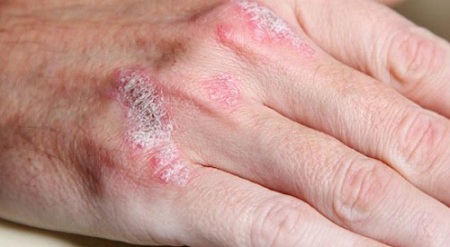
Ammonium Lactate Cream in the Treatment of Psoriasis, Scaly Skin (Xerosis), and Ichthyosis VulgarisAlthough ammonium lactate at a 12% concentration is generally used in the local treatment of psoriasis, it is also used in the treatment of ichthyosis and xerosis. As is known, ichthyosis (ichthyosis; ichthiosis; iktiyozis), colloquially known as fish scale disease, is a congenital keratinization disorder characterized by dry skin covered with scales resembling fish skin and is often associated with other issues; its diagnosis can be made through genetic, clinical, microscopic, and epidermal cell kinetics. The condition also referred to as xerosis, xeronosus, or xerosis, on the other hand, is the normal age-related sclerosis of tissues and occurs as a result of pathological dryness of the skin (xeroderma), dryness of the conjunctiva (xerophthalmia), or dryness of the mucous membranes.
In general, the water content of the stratum corneum is accepted as a controlling factor in skin elasticity. Ammonium lactate softens the skin by moisturizing the outermost layer of the epidermis, known as the stratum corneum, and provides symptomatic relief by eliminating epidermal keratinization that occurs in dry skin. When the stratum corneum contains 10% or more water, the skin is soft and flexible. Below 10%, the skin may become cracked and scaly, dry, and irritated. Furthermore, a study conducted in 1989 by the Dermatology Branch of the US National Cancer Institute showed that ammonium lactate could also treat cysts and abscesses formed on the skin due to inflammatory effects. When ammonium lactate formulations are used, patients must take precautions and protect themselves against ultraviolet rays.
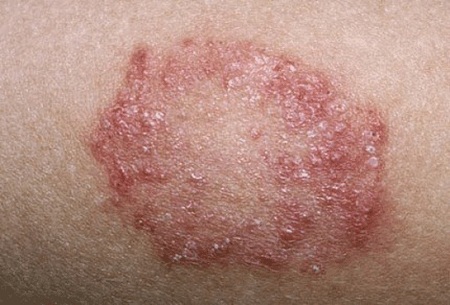
The most common side effect encountered in patients using a topical lotion containing 12% ammonium lactate is complaints of stinging and burning in approximately 3% of patients. Likewise, rash or erythema and peeling/desquamation are seen in approximately 2% of patients. Much less frequently occurring adverse effects may include irritation, dryness, eczema, hyperpigmentation or increased skin discoloration, and petechiae appearing as small red or purple spots due to capillary blood vessels.
Although animal laboratory studies have shown no adverse effects on the fetus, it should not be used in pregnant or breastfeeding women as there are no adequate studies in humans.
Formulation:
Rp.
Salicylic acid 2%
Triamcinolone 0.1%
Ammonium lactate 12%
Urea 10%
Oil / water emulsion qs 100 g
Substances in the formula;
Acidum salicylicum- Salicylsäure- Acide salicylique-Spirsäure- Salicylic acid;
Salicylic acid is a white or colorless acicular crystalline powder or a white fluffy crystalline powder. The synthetic form is white and odorless. Salicylic acid is a beta hydroxy acid with the chemical formula C6H4(OH)CO2H. This colorless, crystalline organic acid is generally used as a plant hormone. It is a metabolite of salicin. It has chemical properties similar to acetylsalicylic acid, known as aspirin. It is also used in the treatment of acne and fungal species such as tinea barbae, tinea capitis, and tinea cruris. When prepared from natural methyl salicylate, it is light yellow or pale pink in color and has a faint mint odor. It dissolves in water at 1:460, boiling water at 1:15, alcohol and ether at 1:3, and chloroform at 1:45. Salicylic acid is a keratolytic drug. It is used in the treatment of diseases characterized by hyperkeratosis and skin flaking, such as dandruff, seborrheic dermatitis, ichthyosis, psoriasis, and acne. Solutions and ointments used for this purpose are available. Salicylic acid accelerates desquamation (peeling and shedding of the outer surface of something). It exhibits a mild fungicidal effect. Salicylic acid is rapidly absorbed through the skin and slowly eliminated via urine. Systemic acute salicylate toxicity (salicylism) may occur as a result of excessive application of salicylic acid over large skin areas. Fatalities, predominantly in children, have been reported due to such misuse. To minimize the risk of systemic absorption associated with topical application, salicylic acid should not be used for prolonged periods or in high concentrations, and application to large body surface areas, inflamed skin, or open wounds should be avoided.
Salicylic acid should be stored at room temperature below 30°C in tightly closed, airtight containers. It should be protected from light.
Triamcinolone acetonide- Acétonide de triamcinolone- Triamcinolonum acetonidum;
Triamcinolone acetonide is a white or cream-white, practically odorless crystalline powder. 11 mg of triamcinolone acetonide is approximately equivalent to 10 mg of triamcinolone. It is practically insoluble in water; sparingly soluble in alcohol, chloroform, or methyl alcohol; very slightly soluble in ether. According to the British Pharmacopoeia (BP) and the United States Pharmacopeia (USP), the pH of the sterile suspension is between 5.0 and 7.5. Triamcinolone is rapidly absorbed when administered orally. Peak effect appears within 1–2 hours after oral administration. The onset and duration of action with parenteral suspensions vary depending on the route of administration and the local blood flow at the site of application. When applied topically, bioavailability also depends on the characteristics of the skin tissue at the site of application. Absorption from topical preparations is higher in damaged, inflamed, occluded areas or areas where the stratum corneum is thin, such as eyelids, genitalia, and face. Absorption into systemic circulation from topical solutions is minimal and becomes especially significant when applied to oral mucosa. Topical triamcinolone preparations are metabolized in the skin. The corticosteroid dosage must be individualized. The dosage varies widely depending on the nature and severity of the disease, route of administration, and patient response. An absolute maximum dose has not been established.
Ammonium lactate- Lactato de amonio;
Ammonium lactate 12% is a topical medication used abroad for pruritus, combining lactic acid and ammonium hydroxide. Ammonium lactate moisturizes the outer skin layer, keeping the skin soft and moist for an extended period, thereby preventing keratinization. The FDA approved ammonium lactate in April 1985. Ammonium lactate 12% is available in cream and lotion forms. While ammonium lactate cream is stored below 30°C, the lotion form should be stored below 15°C. Ammonium lactate provides relief through its moisturizing effect on itchy skin conditions and is used in scaly skin and ichthyosis vulgaris. In adults and children aged 2 years and older, it is applied to the affected areas twice daily.
Urea- Urea- Carbamid- Karbamid;
Known by its synonyms. It exists as colorless, transparent, slightly hygroscopic (Hygroscopy in general chemistry is the ability of any substance to reduce water molecules in its surrounding environment by diffusion or by condensing them on its surface) odorless or very faintly scented prismatic crystals. It is highly soluble in water (1 part in water); despite dissolving in alcohol (5 parts in alcohol), it is insoluble in chloroform and ether. If urea is left standing for a long time, it may develop a slight ammonia odor. Internally, it is used as a diuretic at doses of 15–30 g. As seen in this formula, it is used externally for hydrating (water-retaining, moisturizing) purposes. When applied topically, it increases water-holding capacity by stimulating the moisture-binding property of the stratum corneum (the outermost layer of the epidermis; the horny layer of the epidermis, composed of dead cells). Thus, it provides hydration in cases where skin dryness is a problem. On hyperkeratotic skin, it exerts a mild keratolytic effect.
Emulsions;
A pharmaceutical dosage form consisting of heterogeneous systems with a homogeneous appearance, containing dispersed droplets of one of two immiscible liquids within the other under normal conditions. Droplet diameter is generally larger than 0.1 µm. Natural emulsifying agents (emulsifiers) such as gum arabic, tragacanth gum, gelatin, or carboxymethylcellulose must be added to the medium as a third component during preparation. Their purpose is to ensure the integrity of each dispersed liquid droplet. By formulating an emulsion, drug solubility and stability can be increased; the duration of drug action can be prolonged; unpleasant drug tastes can be masked; and the appearance of the formulation can be improved. In pharmaceutical applications, one of the emulsion phases is usually water, while the other is an oily or oil-like phase. If water forms the internal phase in an emulsion, it is called a water-in-oil emulsion and denoted as W/O. If water is the external phase, then the emulsion is an oil-in-water emulsion and denoted as O/W.
Information for patients;
The following information and instructions should be provided to patients using ammonium lactate 12% lotion:
This medication should not be used for any purpose other than the indications specified by the physician. For external use only. Avoid contact with eyes, lips, or mucous membranes.
Avoid using this product on skin areas where patients may be exposed to natural or artificial sunlight. If sun exposure is unavoidable, the skin must be protected.
If cracks, erosions, or abrasions are present (e.g., after shaving the legs), the medication may cause transient stinging or burning when applied to the skin.
The medication must be discontinued immediately upon any contraindication.
Pediatric use: Ammonium lactate is effective and safe in infants and children, and no unusual toxic effects have been reported.
Geriatric use: No differences have been identified between elderly and younger patients. In general, dose selection for an elderly patient should be cautious.
In clinical studies; the most common adverse effects in patients with xerosis were transient stinging (1/30 patients), burning (1/30 patients), erythema (1/50 patients), and peeling (1/60 patients). Less frequently occurring other adverse reactions observed included irritation, eczema, petechiae, dryness, and hyperpigmentation.
OVERDOSE;
Oral administration of ammonium lactate in rats and mice demonstrated that this drug is non-toxic (LD50 > 15 ml / kg).
METHOD OF ADMINISTRATION AND DOSAGE;
The preparation should be shaken well and applied to the affected areas twice daily or as directed by the physician.
It should be stored at room temperature in plastic bottles, protected from heat and light.
Wishing you a good week…
References;
Compounded Medicines, COF Vizkaia, 5th ed. (2004).
Basic Formulary of Magistral Formulations, M. ª José Llopis
Clavijo and Baixauli Vicent (2007).
Murcia Magistral Formulary COF (1997).
Drug Medical Formulary, PharmaBooks 2010
Factors influencing stratum corneum water content J Invest Dermatol 18: 433-440, 1952.
Middleton JD: Sodium lactate as a moisturizer Cosmetics and Toiletries 93, 85-86, 1978.
La Formulación Magistral en la Oficina de Farmacia Valencia, 1981
Specialist Pharmacist Ahmet Nezihi Pekcan
Pekcan Pharmacy – Konya
[email protected]
Tel: (332) 3520657
http://www.majistralformul.com/