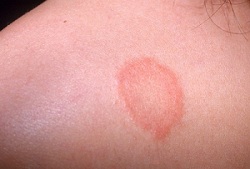
 Symptoms;
Fungal disease manifests in the hands and feet as itching, redness, oozing, hardening, thickening, and sometimes flaking.
Dear Colleagues, this week we will examine together a formula used against fungal infection from the Serbian National Formulary.Rp.
Acidum salicilicum 5.00 g
Acidum benzoicum 2.50 g
Iodi solutio aethanolica 30.00 g
Camphorae solutio aethanolica q.s. 100.00 g
Substances in the formula;
Acidum salicylicum- Salicylsäure- Acide salicylique- Salicylic acid:It consists of white crystals. It dissolves in 500 parts water, 15 parts boiling water, 27 parts alcohol (99%), 2 parts ether, 80 parts olive oil, 100 parts glycerin, and 55 parts chloroform. Salicylic acid accelerates desquamation. It exhibits a mild fungicidal effect. Salicylic acid is a beta-hydroxy acid (BHA) with the chemical formula C6H4(OH)CO2H. This colorless, crystalline organic acid is generally used as a plant hormone. It is a product of salicin metabolism. It has similar chemical properties to acetylsalicylic acid, commonly known as aspirin. It is used in the treatment of fungal infections such as tinea barbae, tinea capitis, and tinea cruris. It is included in formulations due to its sufficiently potent analgesic and antipyretic, and rarely antiseptic effects, and is used externally as an analgesic in anti-rheumatic applications. It is preferred against mycotic eczema due to its caustic effect. In dermatology, salicylic acid is often used in combination with lactic acid for the treatment of warts and calluses/corns. The exact mechanism of action of salicylic acid and lactic acid in the treatment of warts is not fully known. It is thought to be due to the mechanical removal of wart virus-infected epidermal cells as a result of their keratolytic effects. They are also effective against calluses through their keratolytic activities. It is used as a gargle in the treatment of tonsillitis. It is used at a concentration of 0.50% against fermentation in foods such as beer, wine, meat, etc.Acidum benzoicum – Phenylformic acid – Benzoic acid;It is widely found in nature, especially in plants, in free form and as compounds. It is sparingly soluble in cold water and easily soluble in hot water, alcohol, and ether. Its solubility in water increases in the presence of alkaline substances such as borax and trisodium phosphate. It also dissolves in substances such as chloroform, acetone, carbon tetrachloride, benzene, carbon disulfide, turpentine, and essential oils. Its aqueous solution exhibits acidic properties and is a slightly stronger acid than acetic acid. It has an irritating effect on the skin, eyes, and mucous membranes; it causes coughing when inhaled.Benzoic acid is an agent that exerts a local fungistatic effect. In the past, it was used for a long time in the composition of topical fungistatic preparations.
Iodine solution (ethanolic) – Teinture d’iode – Iodi solutio spiritosa – Tinctura iodi – Turkish Pharmacopoeia (1974);
Formula:
Rp.
Iodine 20 g
Sodium iodide 25 g
Ethanol (50%) q.s. for 1000 ml
Preparation of ethanolic iodine solution:Iodine is weighed on a watch glass. It is mixed with sodium iodide in a glass mortar. It is dissolved in ethanol and brought to the desired volume.
The preparation contains 2% (w/v) iodine (1.95-2.05) and 2.5% (w/v) sodium iodide (2.45-2.55).
It was first used in 1908 for preoperative skin antisepsis by the surgeon named ANTONIO GROSSICH.
Also known as TINCTURE OF IODINE, this solution reduces 99.88% of bacteria present on the skin. After skin disinfection, it provides asepsis for approximately 4 hours and 40 minutes. When applied to hands contaminated with Gram-negative bacteria, disinfection is achieved in a short time. It should not be used in patients with iodine hypersensitivity or non-toxic goiter. It should not be applied directly to damaged skin surfaces, as excessive iodine absorption through the wound may occur. Contact with the eyes should be avoided. Use should be avoided if there is extensive skin damage, as excessive absorption through the wound site may occur. It should not be used for long periods in newborns, infants, pregnant women, and patients with thyroid disorders. In concentrated/solid form, it has a corrosive effect on the skin. Its use is also harmful, particularly in advanced-degree burns.
Storage:
It should be stored in tightly closed, amber-colored bottles with glass stoppers.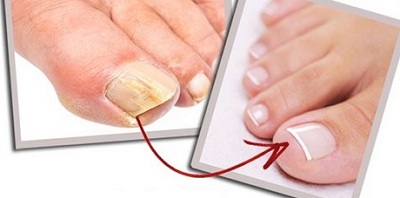
Spiritus camphoratus- Tinctura camphorae- Teinture de camphre (T.K.)Camphor 1 g
Alcohol (90%) 9 gCamphre synthetique- Camphora synthetica;Colorless or white, distinctive and pungent-smelling, burning, bitter and subsequently cooling tasting pieces, or a white crystalline powder; sparingly soluble in water, freely soluble in chloroform, alcohol, and fixed oils.
It is included in this formula for its vehicle and cooling effect.Preparation of the formula;The calculated amounts of salicylic acid and benzoic acid specified in the formula are powdered in a glass mortar and dissolved by adding tincture of iodine. Camphorated spirit is then added and filtered. It must not be forgotten to bring the solution to a total volume of 100 ml by adding camphorated spirit.
The preparation should be stored at room temperature at 25 degrees in an amber glass bottle.
Wishing you a good week…
Source:
Farmaceutsko drustvo Srbije.Spec. Pharm. Ahmet Nezihi Pekcan
Pekcan Pharmacy – Konya
[email protected]
Tel: (332) 3520657
http://www.majistralformul.com/