Benzocaine Suspension for Local Anesthetic Use in the Oral Cavity
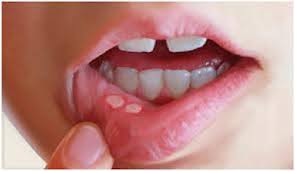
This formula, found in the Serbian National Formulary, is effective for inducing local anesthesia in toothache, aphthous ulcers and lesions in and around the oral cavity, gingival diseases, and painful conditions arising from dental procedures; it is also effective for the temporary relief of pain caused by sore throat, stomatitis, and mucositis, as well as pain resulting from intraoral, tonsillar, and pharyngeal infections.
Formula:
Rp.
Benzocainum 1.00 g
Glycerolum, 85% 10.00 g
Emulsio oleosa q.s. ad. 100.00 g
Substances included in the formula:
Benzocainum [Ph. Eur 4; Ph. Int. III]- Benzocaina [Ph. Eur 4]- Parathesine- Anaesthesin- Ethyl aminobenzoate:
Benzocaine occurs as colorless or white crystals, or as a white, odorless crystalline powder. Its melting point is between 88–92°C. Solubility according to the British Pharmacopoeia (BP): Very slightly soluble in water; freely soluble in alcohol, chloroform, and ether. Solubility according to the United States Pharmacopeia (USP): Soluble 1:2500 in water, 1:5 in alcohol, 1:2 in chloroform, and 1:4 in ether; soluble in dilute acids; soluble 1:30 to 1:50 in almond oil and olive oil.
Benzocaine is a short-acting ester-type local anesthetic. It is applied topically for mucosal membrane anesthesia before endoscopic or instrumental examinations, suppression of the gag reflex, anorectal disorders, and various clinical conditions accompanied by pain. It is available in a wide range of pharmaceutical dosage forms such as gels, creams, ointments, lotions, and aerosols. Preparations designed for relieving toothaches and oral pain are also available. Benzocaine and tetracaine have a higher potential to cause contact allergy compared to other local anesthetics.
Benzocaine is applied topically to the skin and mucous membranes. It is minimally absorbed from the application site; therefore, unwanted systemic adverse effects are relatively rare. Its onset of action is rapid, typically observed within 1 minute. The duration of action is approximately 15–20 minutes. Benzocaine is metabolized in the liver. Its metabolites are excreted via the kidneys.
Glycerol- Glycerine- Glycerol 85% [ASK; Ph.Eur.]:
Glycerin is a clear, colorless or very pale, hygroscopic, syrupy liquid that is odorless or practically odorless and has a sweet taste. It is miscible with water and alcohol; slightly soluble in acetone; practically insoluble in chloroform, ether, fixed oils, and essential oils. Aqueous solutions are neutral to litmus. According to the United States Pharmacopeia (USP), the pH of Glycerin Oral Solution (USP) is between 5.5 and 7.5. Strong oxidizing agents form explosive mixtures when combined with glycerin.
Emulsio oleosa – Oily Emulsion:
Formula:
Rp.
Oleum 10.00 g
Gummi arabicum 5.00 g
Aqua purificata q.s. 100.00 g
Preparation of the formula:
The calculated amount of benzocaine is triturated with glycerin in a glass mortar. The previously prepared oily emulsion is slowly added to this mixture with stirring until a homogeneous suspension is obtained.
The preparation should be stored at temperatures up to 250C, protected from light, in well-closed glass or plastic bottles. It is used as a local anesthetic. A single dose of 15 ml of suspension (maximum 200 mg) may be applied into the oral cavity.
Source:
Farmaceutsko drustvo Srbije, Magistralne Formule 2008
Exp. Pharm. Ahmet Nezihi Pekcan
Pekcan Pharmacy – Konya
[email protected]
Tel: (332) 3520657
http://www.majistralformul.com/