
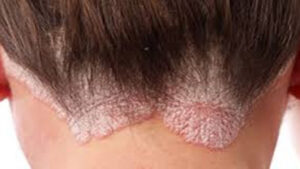
Compounded formulation treatment option in the Spanish National Formulary for the treatment of PsoriasisDear Colleagues, before proceeding to the formulation regarding this disease, which we encounter quite frequently today but for which a definitive cure has not yet been found, while trying to find answers to many questions such as what Psoriasis is, its causes, who it affects, and what its symptoms are, we also need to briefly mention recent developments in its current treatment. Psoriasis is a common disease in society that usually persists for a long time with flare-ups. It manifests in various appearances. In the most common plaque type (psoriasis vulgaris), pearly or silvery scales (flaking) covering raised erythematous lesions that are sharply demarcated from normal skin—giving the disease its name—are typical. Psoriasis is a common disease worldwide.
However, the disease can be seen more or less frequently in certain geographical regions. Prevalence can also vary from one population to another. In general, when discussing the prevalence of the disease, it is thought to be influenced by genetic and environmental factors. Psoriasis is more commonly seen in cold northern climates compared to warmer tropical regions. In the Americas and Europe, the disease occurs in approximately 2 out of every 100 people..jpg) In contrast, its prevalence is lower in African and Asian countries, occurring in 1 out of every 100–200 individuals. Psoriasis affects men and women in approximately equal proportions. Although psoriasis can manifest at any age, it most frequently begins between the ages of 20 and 30. The disease can be classified into two groups based on the age of onset. When psoriasis begins before the age of 40, it is evaluated as early-onset, and when it begins after the age of 40, it is considered late-onset psoriasis. Early-onset psoriasis tends to run a more severe course. Additionally, a family history of psoriasis is more common in this type. The exact etiology of the disease is not fully known. Psoriasis is thought to develop as a result of an interplay between the immune system, genetic, and environmental factors. The immune system plays a significant role in the pathogenesis of psoriasis. T cells, key components of the immune system, reach the skin via blood vessels and stimulate the rapid proliferation of cells called keratinocytes, which form the outermost layer of the skin, the epidermis. While the epidermis normally renews itself in about one month, this turnover time is reduced to 3–5 days in psoriasis. This rapid cell turnover results in the characteristic scaling of psoriatic skin. What triggers the immune system and activates T cells remains unknown. Genetic factors generally determine who is predisposed to developing the disease. Multiple genes are believed to be responsible for the development of the disease. The higher prevalence of the disease among first-degree relatives of patients with psoriasis is a significant indicator of genetic predisposition. It is thought that the disease is triggered or exacerbated by various environmental factors (streptococcal throat infections, certain medications, physical trauma such as scratching or vigorous scrubbing with a bath mitt, etc.). In predisposed individuals, the following factors play a triggering role: Physical trauma: Activities such as scratching, rubbing, or picking, as well as practices like scrubbing or using a loofah/bath mitt, can precipitate psoriasis flare-ups or aggravate existing symptoms. The appearance of psoriasis lesions on skin injured by trauma is known as the ‘Koebner phenomenon’. Sunlight: In most patients, moderate sun exposure improves disease symptoms. Therefore, symptoms may improve during the summer months. Conversely, in some patients, excessive sun exposure or sunburns may trigger disease flares. Infections: In particular, 1–2 weeks following a streptococcal throat infection, a specific form of psoriasis known as guttate psoriasis can develop. The same pathogen may also play a role in flares of plaque psoriasis, the most common clinical form. In some patients, a history of severe psychological stress can be identified prior to the onset or exacerbation of psoriasis. In a subset of patients, managing or eliminating this factor helps alleviate disease symptoms. Certain medications can induce or exacerbate the disease. These include systemic corticosteroids (oral or intravenous), antimalarial drugs, lithium used in psychiatric disorders, beta-blockers prescribed for hypertension, interferons utilized across various indications, and certain analgesics. In some patients, smoking can contribute to the development of the disease or trigger flares of existing psoriasis. Excessive alcohol consumption can lead to disease exacerbations. It is not an infectious disease; therefore, it is not contagious and cannot be transmitted to others. Psoriasis is not a directly inherited disease; however, there is a genetic predisposition. This means that the prevalence of psoriasis is higher among close biological relatives compared to the general population. Studies demonstrate that 1 in 3 patients with psoriasis has close blood relatives affected by the condition. Consequently, a predisposition to psoriasis can be passed from parents to their child, though this does not guarantee that the child will develop the disease. Psoriasis Vulgaris (Plaque Psoriasis): This is the most common clinical form of psoriasis. It is observed in 8 to 9 out of every 10 psoriasis patients. It presents as pink-to-red, well-demarcated oval or round lesions sharply delineated from healthy skin and covered with silvery scales. Although lesions can appear on almost any area of the skin, the most common predilection sites are the knees, elbows, scalp, and lower back. Lesions may initially be small; these can coalesce or expand peripherally to form large, elevated plaques in various configurations. Psoriasis may sometimes present inversely to typical predilection sites, localizing in intertriginous/flexural areas of the body such as the armpits, groins, inframammary folds, intergluteal cleft, back of the knees, inner elbows, and neck. This clinical variant is termed Inverse Psoriasis (psoriasis inversa) 3. In inverse psoriasis, erythema is more prominent, whereas scaling is minimal or absent. When typical psoriatic lesions localize to the palms and soles, it is defined as Palmoplantar Psoriasis. In this clinical presentation, skin thickening and scaling are predominant. These latter two specific presentations can be more refractory to treatment. In scalp involvement (scalp psoriasis), lesions are typically non-pruritic, sharply demarcated from normal-appearing skin on an erythematous base, and covered with thick scales larger than ordinary dandruff. It generally does not cause hair loss. Guttate Psoriasis (Psoriasis Guttata) presents primarily on the upper trunk and proximal extremities as raindrop-sized (less than 1 cm), round or oval, pink-to-red, raised lesions with overlying scales. It is most frequently observed in children and adolescents. It can develop particularly 1–2 weeks following streptococcal pharyngitis (throat infection) or a viral illness. It may also appear as an acute flare-up of pre-existing plaque psoriasis. Lesions usually resolve within a few weeks, though occasionally they take up to 3 months. Erythrodermic Psoriasis occurs when psoriasis involves more than 80% of the total body surface area. During active phases of the disease, triggers (such as medications, excessive sunlight, trauma, infection, etc.) can cause psoriasis to generalize, involving the entire skin surface including the face and nails. All features of psoriasis are present; however, intense erythema is the most prominent finding. This severe form of psoriasis affects 1 to 2 out of every 100 psoriasis patients. These patients typically require close monitoring and inpatient treatment in a hospital setting. Pustular Psoriasis: In this clinical form, pus-filled blisters are present. Lesions may develop over typical psoriatic plaques or erupt directly on previously uninvolved, healthy-appearing skin. The hallmark is 2–3 mm pustules surrounded by erythematous halos. This condition presents in two distinct clinical forms: Palmoplantar pustular psoriasis: Lesions are localized to the palms and soles. It is recognized to be closely associated with tobacco smoking. Generalized pustular psoriasis: Manifests with widespread lesions across the body, being particularly prominent in flexural areas. Generalized pustular psoriasis may also be accompanied by systemic symptoms such as fever, malaise, and joint pain. Inpatient hospitalization and management may be required. Psoriasis of the Joints (Psoriatic Arthritis / Arthropathic Psoriasis): This is an inflammatory condition affecting the articular surfaces, ligaments, tendons, and synovial membranes. It occurs in approximately 2 out of every 10 psoriasis patients. It most frequently presents around the age of 40. Complaints may be limited to a single joint (knee joint, hip joint, etc.). In a substantial proportion of patients, it presents similarly to rheumatoid arthritis, affecting more than 5 joints, especially the joints of the hands. Pain, redness, and swelling are observed in the affected joints. Most patients exhibit cutaneous signs of psoriasis somewhere on their body. In psoriatic arthritis, nail involvement is frequently encountered. Furthermore, current evidence indicates that joint involvement is more common in individuals with psoriasis localized to the scalp and the intergluteal region.
In contrast, its prevalence is lower in African and Asian countries, occurring in 1 out of every 100–200 individuals. Psoriasis affects men and women in approximately equal proportions. Although psoriasis can manifest at any age, it most frequently begins between the ages of 20 and 30. The disease can be classified into two groups based on the age of onset. When psoriasis begins before the age of 40, it is evaluated as early-onset, and when it begins after the age of 40, it is considered late-onset psoriasis. Early-onset psoriasis tends to run a more severe course. Additionally, a family history of psoriasis is more common in this type. The exact etiology of the disease is not fully known. Psoriasis is thought to develop as a result of an interplay between the immune system, genetic, and environmental factors. The immune system plays a significant role in the pathogenesis of psoriasis. T cells, key components of the immune system, reach the skin via blood vessels and stimulate the rapid proliferation of cells called keratinocytes, which form the outermost layer of the skin, the epidermis. While the epidermis normally renews itself in about one month, this turnover time is reduced to 3–5 days in psoriasis. This rapid cell turnover results in the characteristic scaling of psoriatic skin. What triggers the immune system and activates T cells remains unknown. Genetic factors generally determine who is predisposed to developing the disease. Multiple genes are believed to be responsible for the development of the disease. The higher prevalence of the disease among first-degree relatives of patients with psoriasis is a significant indicator of genetic predisposition. It is thought that the disease is triggered or exacerbated by various environmental factors (streptococcal throat infections, certain medications, physical trauma such as scratching or vigorous scrubbing with a bath mitt, etc.). In predisposed individuals, the following factors play a triggering role: Physical trauma: Activities such as scratching, rubbing, or picking, as well as practices like scrubbing or using a loofah/bath mitt, can precipitate psoriasis flare-ups or aggravate existing symptoms. The appearance of psoriasis lesions on skin injured by trauma is known as the ‘Koebner phenomenon’. Sunlight: In most patients, moderate sun exposure improves disease symptoms. Therefore, symptoms may improve during the summer months. Conversely, in some patients, excessive sun exposure or sunburns may trigger disease flares. Infections: In particular, 1–2 weeks following a streptococcal throat infection, a specific form of psoriasis known as guttate psoriasis can develop. The same pathogen may also play a role in flares of plaque psoriasis, the most common clinical form. In some patients, a history of severe psychological stress can be identified prior to the onset or exacerbation of psoriasis. In a subset of patients, managing or eliminating this factor helps alleviate disease symptoms. Certain medications can induce or exacerbate the disease. These include systemic corticosteroids (oral or intravenous), antimalarial drugs, lithium used in psychiatric disorders, beta-blockers prescribed for hypertension, interferons utilized across various indications, and certain analgesics. In some patients, smoking can contribute to the development of the disease or trigger flares of existing psoriasis. Excessive alcohol consumption can lead to disease exacerbations. It is not an infectious disease; therefore, it is not contagious and cannot be transmitted to others. Psoriasis is not a directly inherited disease; however, there is a genetic predisposition. This means that the prevalence of psoriasis is higher among close biological relatives compared to the general population. Studies demonstrate that 1 in 3 patients with psoriasis has close blood relatives affected by the condition. Consequently, a predisposition to psoriasis can be passed from parents to their child, though this does not guarantee that the child will develop the disease. Psoriasis Vulgaris (Plaque Psoriasis): This is the most common clinical form of psoriasis. It is observed in 8 to 9 out of every 10 psoriasis patients. It presents as pink-to-red, well-demarcated oval or round lesions sharply delineated from healthy skin and covered with silvery scales. Although lesions can appear on almost any area of the skin, the most common predilection sites are the knees, elbows, scalp, and lower back. Lesions may initially be small; these can coalesce or expand peripherally to form large, elevated plaques in various configurations. Psoriasis may sometimes present inversely to typical predilection sites, localizing in intertriginous/flexural areas of the body such as the armpits, groins, inframammary folds, intergluteal cleft, back of the knees, inner elbows, and neck. This clinical variant is termed Inverse Psoriasis (psoriasis inversa) 3. In inverse psoriasis, erythema is more prominent, whereas scaling is minimal or absent. When typical psoriatic lesions localize to the palms and soles, it is defined as Palmoplantar Psoriasis. In this clinical presentation, skin thickening and scaling are predominant. These latter two specific presentations can be more refractory to treatment. In scalp involvement (scalp psoriasis), lesions are typically non-pruritic, sharply demarcated from normal-appearing skin on an erythematous base, and covered with thick scales larger than ordinary dandruff. It generally does not cause hair loss. Guttate Psoriasis (Psoriasis Guttata) presents primarily on the upper trunk and proximal extremities as raindrop-sized (less than 1 cm), round or oval, pink-to-red, raised lesions with overlying scales. It is most frequently observed in children and adolescents. It can develop particularly 1–2 weeks following streptococcal pharyngitis (throat infection) or a viral illness. It may also appear as an acute flare-up of pre-existing plaque psoriasis. Lesions usually resolve within a few weeks, though occasionally they take up to 3 months. Erythrodermic Psoriasis occurs when psoriasis involves more than 80% of the total body surface area. During active phases of the disease, triggers (such as medications, excessive sunlight, trauma, infection, etc.) can cause psoriasis to generalize, involving the entire skin surface including the face and nails. All features of psoriasis are present; however, intense erythema is the most prominent finding. This severe form of psoriasis affects 1 to 2 out of every 100 psoriasis patients. These patients typically require close monitoring and inpatient treatment in a hospital setting. Pustular Psoriasis: In this clinical form, pus-filled blisters are present. Lesions may develop over typical psoriatic plaques or erupt directly on previously uninvolved, healthy-appearing skin. The hallmark is 2–3 mm pustules surrounded by erythematous halos. This condition presents in two distinct clinical forms: Palmoplantar pustular psoriasis: Lesions are localized to the palms and soles. It is recognized to be closely associated with tobacco smoking. Generalized pustular psoriasis: Manifests with widespread lesions across the body, being particularly prominent in flexural areas. Generalized pustular psoriasis may also be accompanied by systemic symptoms such as fever, malaise, and joint pain. Inpatient hospitalization and management may be required. Psoriasis of the Joints (Psoriatic Arthritis / Arthropathic Psoriasis): This is an inflammatory condition affecting the articular surfaces, ligaments, tendons, and synovial membranes. It occurs in approximately 2 out of every 10 psoriasis patients. It most frequently presents around the age of 40. Complaints may be limited to a single joint (knee joint, hip joint, etc.). In a substantial proportion of patients, it presents similarly to rheumatoid arthritis, affecting more than 5 joints, especially the joints of the hands. Pain, redness, and swelling are observed in the affected joints. Most patients exhibit cutaneous signs of psoriasis somewhere on their body. In psoriatic arthritis, nail involvement is frequently encountered. Furthermore, current evidence indicates that joint involvement is more common in individuals with psoriasis localized to the scalp and the intergluteal region.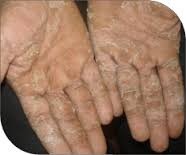 Nail Changes in Psoriasis In psoriasis, fingernails are involved in approximately half of the patients, and toenails in 1 out of every 3 patients. As mentioned above, it is more commonly seen in patients with joint involvement. Pinhead-sized pitting on the nail surface is typical of the disease. Separation of the nail from the nail bed (onycholysis), yellowish discoloration under the nail plate (oil drop or salmon patch appearance), nail loss, and thickening of the skin under the free edge of the nail (subungual hyperkeratosis) are other nail changes that can be seen in psoriasis. Psoriasis generally follows a long-term course with unpredictable flare-ups and periods of remission. The disease may disappear completely in only about 1 out of every 3–4 patients. The guttate form of psoriasis tends to have a shorter duration. The symptoms and severity of the disease can vary from person to person and even over time in the same individual. In general, the severity of the disease tends to decrease over time (at older ages). A patient with psoriasis can become pregnant. The effect of pregnancy on the disease is quite variable. However, the effect of recurrent pregnancies on the disease in the same individual is similar. In general terms, the disease tends to improve during pregnancy. Psoriasis usually returns to its previous course with postpartum flare-ups. In a very small proportion of patients, a sudden flare of generalized pustular psoriasis may develop during pregnancy. It is essential to consult a physician regarding whether the medications used during pregnancy and lactation are safe. Comorbid conditions are also encountered in a subset of psoriasis patients. In fact, psoriasis may contribute to the development of the following comorbid conditions: Cardiovascular diseases; Studies in recent years indicate that certain factors predisposing to cardiovascular diseases are frequently observed, particularly in patients with severe psoriasis. Elevated blood lipids, hypertension, and diabetes mellitus are more commonly encountered in these patients. Obesity is observed more frequently in psoriasis patients than in the general population. Inflammatory bowel diseases; Crohn’s disease, an inflammatory bowel disease, is more frequently seen in psoriasis patients. Diagnosis is usually established based on clinical findings. In cases of diagnostic difficulty, the diagnosis can be confirmed by histopathological examination after taking a small specimen from the affected skin (skin biopsy). There is currently no definitive cure for psoriasis. However, with our increasing knowledge about the disease in recent years and the introduction of new and more effective treatment options, the disease can be managed much more effectively. Psoriasis can be brought under control with appropriate therapy, and long periods of remission can be achieved. Cooperation and harmonious effort among the involved parties (physician, patient, and patient relatives) are an integral part of the management. The impact of the numerous trigger factors mentioned above on the disease must be kept in mind. Psoriasis patients should strictly avoid any practices that may exacerbate the disease (scratching, vigorous scrubbing in the bath, exfoliating mitts, etc.). In limited-involvement psoriasis, which is most commonly encountered, topical treatment modalities are preferred first due to fewer side effects and ease of administration. The most commonly used topical medications include keratolytics (agents that remove scales from the skin surface), corticosteroids, anthralin, calcipotriol (synthetic vitamin D), calcineurin inhibitors, and phototherapy (UVB). One of these treatment modalities or a combination thereof (concomitant use of different therapies) is selected depending on the patient’s age, adherence to treatment, and the extent and duration of the disease. Foremost among the systemic treatments used in cases with extensive involvement refractory to topical treatments are methotrexate, cyclosporine-A, and retinoids. Apart from these treatments, a widely used and highly effective modality is PUVA therapy. PUVA is the administration of specified doses of ultraviolet A (UVA) radiation 2 hours after the oral intake of Psoralen (a drug that sensitizes the skin to light). In recent years, biologic agents (infliximab, adalimumab, etanercept, etc.) have also been used in cases unresponsive to the above treatments. Today, numerous treatment options are available. Sometimes, multiple medications may need to be used together to alleviate symptoms. Your physician designs your treatment by taking into account numerous parameters regarding you and your disease. Parameters such as the extent of the disease, the localization of symptoms, the severity of nail involvement, and joint involvement are decisive in drug selection and duration of treatment. The treatment modality and route of administration to be selected, the duration of therapy, and the dosage of medications are determined by the physician. Just as it is necessary for physicians to work with knowledge, experience, and collaboration in the treatment and monitoring of the disease, the adherence of psoriasis patients to the recommended treatment is equally critical.Formula
Rp.
Dithranol 0.01 %
Urea 2 %
Saponified coal tar 25 %
Salicylic acid 2 %
Isopropyl alcohol q.s. 50 ml
Active ingredients in the formula:
Anthrasol- Anthralin- Cignolin- Dithranol;ANTHRALIN was first introduced in 1916 by Galavvski under the name ‘chrysarobin’ as an agent that could be used in the treatment of skin diseases. DITHRANOL (1,8-dihydroxy-9-anthrone) can be naturally obtained from the bark of the Araroba tree found in South America. It can also be synthesized from anthrone. Anthralin is a hydrocarbon that is a synthetic derivative of chrysarobin. Anthralin is an odorless crystalline powder with a yellowish-orange or yellowish-brown color. Since it is prone to degradation by light, it must be kept away from light. Dithranol, which has a potent irritant effect, can cause severe reactions in the eyes, mucous membranes, and other skin areas. Dithranol causes a burning sensation, especially upon contact with perilesional skin. Therefore, patients should always be reminded to wash their hands after use. It should not be used on inflamed skin. Anthrasol is insoluble in water. It dissolves in absolute alcohol (96%), acetone, oily media, and petrolatum.
Anthrasol can cause strong allergic reactions at high doses. In order to reduce this effect, when combined with pix juniperi (juniper tar) and other tar types, its allergenic property is observed to decrease or disappear. In pastes containing zinc oxide along with anthralin, the addition of salicylic acid or benzoic acid is required to preserve the efficacy of anthralin. In the absence of this, its efficacy is significantly reduced as a result of interaction with zinc oxide, manifesting as a color change in the preparation. In contrast, 0.25% and 0.5% anthralin in yellow soft paraffin has been observed to retain its efficacy even without the addition of salicylic acid.
In pruritic skin diseases, it is preferred due to its antieczematous, anti-inflammatory, and mild antibacterial and antimycotic effects.
While it is preferably used at a concentration of 2-5% on the scalp, it is used at 5-10% in seborrheic dermatitis, eczema, psoriasis, and scalp ringworm, also known as Herpes tonsurans (Tinea capitis).
Anthralin is a topically acting antipsoriatic drug. It is also used in the treatment of alopecia. It exerts its effect by reducing the mitotic rate of the epidermis. Although the exact mechanism of action of anthralin is not known, it is suggested to have antiproliferative and immunosuppressive effects. It is contraindicated in patients with kidney disease and during pregnancy.
Side effects include irritant contact dermatitis, folliculitis, erythema, itching, scaling, and regional lymphadenopathy. In addition to clothing, it also causes skin pigmentation. Skin pigmentation regresses after treatment is discontinued.
Side effects such as itching, erythema, burning, and discoloration observed at the beginning of treatment in patients using topical anthralin usually disappear as treatment continues.Urea – Carbamid – Karbamid;Known by its synonyms. Colorless, transparent, slightly hygroscopic(Hygroscopy is the term given in general chemistry to the ability of any substance to reduce water molecules in its surrounding environment through diffusion or condensation on its surface.) It occurs as odorless or very faintly scented prismatic crystals. It is very soluble in water (1 part water) and soluble in alcohol (5 parts alcohol), but insoluble in chloroform and ether. If urea is stored for a prolonged period, it may develop a slight ammonia odor. Internally, it is used as a diuretic at a dose of 15–30 g. As seen in this formula, it is used externally for hydrating (water-retaining, moisturizing) purposes. When applied topically, it stimulates the water-binding properties of the stratum corneum (the outermost layer of the epidermis; the horny layer of the epidermis, composed of dead cells), thereby increasing its water-holding capacity. Thus, it provides hydration in cases where skin dryness is an issue. In hyperkeratotic skin, it exerts a mild keratolytic effect.Coal Tar – Goudron de Houille – Coal tar – Pix Carbonis – Pix Lithanthracis – Steinkohlenteer;It is prepared by the dry distillation of coal. It has a naphthalene-like odor and a sharp, burning taste. It is a dense, near-black liquid. It solidifies upon exposure to air. It is slightly soluble in water. While it dissolves in chloroform and benzene, it is partially soluble in alcohol and ether. Its density gradually increases under the influence of air. It burns with a luminous, sooty flame. Its saturated solution gives an alkaline reaction to litmus. Coal tar is an ingredient in medicinal shampoos, soaps, and ointments used to treat dandruff and psoriasis, as well as to kill and eradicate head lice. Soluble extracts of coal tar prepared by dry distillation (2%) are also used in the treatment of dandruff. Tars and tar oils reduce the thickness of the epidermis. They are antipruritic and exhibit a weak antiseptic effect. They are used topically in the treatment of eczema, psoriasis, dandruff, seborrheic dermatitis, and other skin diseases. Coal tar preparations have largely been replaced by wood tars. Ultraviolet light increases the effectiveness of coal tar in the treatment of psoriasis. Some wood tars are included in the formulation of expectorant preparations. Tar has also been used in homeopathic medicine.Acidum salicylicum- Salicylsäure- Acide salicylique- Salicylic acid;It consists of white crystals. Soluble in 500 parts water, 15 parts boiling water, 27 parts alcohol (99%), 2 parts ether, 80 parts olive oil, 100 parts glycerin, and 55 parts chloroform. Salicylic acid accelerates desquamation. It exhibits a mild fungicidal effect. Salicylic acid, C4H6(OH)CO2It is a beta-hydroxy acid (BHA) with the chemical formula H. This colorless, crystalline organic acid is generally used as a plant hormone. It is a metabolite of salicin. It exhibits chemical properties similar to acetylsalicylic acid, commonly known as aspirin. It is used in the treatment of fungal species such as tinea barbae, tinea capitis, and tinea cruris. Salicylic acid is a keratolytic agent. It is used in the treatment of hyperkeratotic conditions and skin disorders characterized by scaling, such as dandruff and seborrheic dermatitis, ichthyosis, psoriasis, and acne. Solutions and ointments used for this purpose are available. To minimize the risk of systemic absorption associated with topical application, salicylic acid should not be used for prolonged periods or in high concentrations, and its application to extensive body surface areas or to inflamed or broken skin should be avoided.Isopropanol – Isopropyl Alcohol – Isopropyl Alcohol – 2-Propanol – Isopropyl Alcohol;Isopropyl alcohol is a clear, colorless, mobile, volatile, easily flammable liquid with a characteristic alcoholic odor. It is miscible with water, alcohol, chloroform, and ether. In terms of effect, isopropyl alcohol is an antiseptic exhibiting bactericidal properties similar to alcohol. Its 60-70% solutions are used for preoperative skin antisepsis. In addition, it is incorporated into the composition of preparations used for hand and surface disinfection. Its potent lipid-dissolving property prevents its preparations from being used at frequent intervals. It is used as a solvent in the cosmetics and perfume industry and as a vehicle for other disinfectants. Propyl alcohol may also be used as an antiseptic. Application of isopropyl alcohol to the skin for antisepsis in premature infants has been reported to cause chemical skin burns.
Preparation of the Formula
Urea is dissolved in isopropyl alcohol by heating it to its minimum boiling point. Dithranol and salicylic acid are then added to the solution left to cool, and the formula is finalized with the addition of coal tar at the very end.
The formula should be stored in an amber glass bottle below 30 degrees.
Wishing you a pleasant week…References
La Formulacion Magistral en la Oficina de Farmacia 2.aparte valencia, 1985
Turkish Society of DermatologySpec. Pharm. Ahmet Nezihi Pekcan
Pekcan Pharmacy – Konya
[email protected]
Tel: (332) 3520657http://www.majistralformul.com/