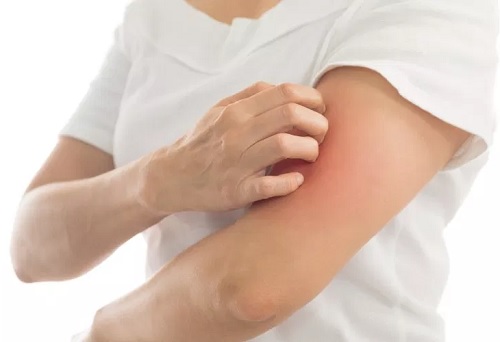
It is observed that physicians frequently use commercially available manufactured products in magistral (compounded) prescriptions arriving at our pharmacies. It is indisputable that when these commercial products included in formulas are removed from their original packaging, they take on a different structure, and consequently, the warnings and dosage limitations in their package inserts are no longer valid. Furthermore, we know that whether these formulas containing specialty/proprietary drugs are accepted as magistral products is being debated by the SSI (Social Security Institution). While the SSI continues to debate this, this week we will examine a formula from the Spanish National Formulary used for bacteriostatic and fungistatic purposes in eczema, psoriasis, and various dermatoses.
Rp.
Ammoniated mercury formula
Betnovate® crema 30 g
Acido salicílico 4%
Precipitado blanco 2%
Substances included in the formula:
Betnovate® crema:
BETNOVATE™ cream contains 0.1% w/w betamethasone (as valerate ester). BETNOVATE is a potent topical corticosteroid used in adults, the elderly, and children over 1 year of age for the relief of inflammatory and pruritic manifestations of steroid-responsive dermatoses.
Precipitado blanco- Ammoniated mercury- Mercury amide chloride- Hydrargyrum praecipitatum album [AB-DDR]- White precipitate:
Ammoniated mercury is a white, odorless powder or granular powder; it is stable in air, but darkens upon exposure to light. It is practically insoluble in water and alcohol; readily soluble in warm hydrochloric acid, nitric acid, and acetic acid. It is incompatible with alkalis and soaps. It must be stored in dark, well-closed glass bottles, because under sunlight it partially decomposes into metallic mercury and mercuric chloride, which are highly toxic.
Ammoniated mercury is a topical antipsoriatic drug used in the treatment of psoriasis. It is also used to treat some other skin diseases. It exhibits antiseptic, antipsoriatic, and antiparasitic activity. Mercury poisoning due to dermal absorption may occur; this becomes even more significant when the skin is wounded or damaged. Therefore, its use should be avoided as much as possible. Topical medications containing iodine increase the potential toxicity of ammoniated mercury. Topical medications containing sulfur can chemically react with ammoniated mercury; as a result of the reaction, hydrogen sulfide, a foul-smelling compound, is released. This compound can stain the skin black and may also cause irritation.
Acidum salicylicum- Salicylsäure- Acide salicylique- Salicylic acid:
Salicylic acid consists of white or colorless needle-like crystals or a white feathery crystalline powder. The synthetic form is white and odorless. When prepared from natural methyl salicylate, it has a light yellow or faint pink color and a slight mint odor. It dissolves 1:460 in water, 1:15 in boiling water, 1:3 in alcohol and ether, and 1:45 in chloroform.
Salicylic acid is a keratolytic medication. It is used in the treatment of diseases characterized by hyperkeratosis and skin scaling, such as dandruff and seborrheic dermatitis, ichthyosis, psoriasis, and acne. Solutions and ointments used for this purpose are available. Salicylic acid accelerates desquamation. It exhibits a mild fungicidal effect. Salicylic acid is rapidly absorbed through the skin and slowly eliminated via the urine. Systemic acute salicylate poisoning (salicylism) may occur due to excessive application of salicylic acid over large skin areas. Fatalities, mostly among children, have been reported resulting from this type of incorrect application. To minimize the risk of systemic absorption associated with topical application, salicylic acid should not be used for extended periods and at high concentrations, and application to large body surfaces or inflamed or broken skin should be avoided.
Salicylic acid is a beta-hydroxy acid (BHA) with the chemical formula C6H4(OH)CO2H. This colorless, crystalline organic acid is generally referred to as a plant hormone. It is a product of salicin metabolism. It possesses chemical properties similar to acetylsalicylic acid, known as aspirin. It is used in the treatment of fungal species such as tinea barbae, tinea capitis, and tinea cruris. Due to its sufficiently potent analgesic and antipyretic, and rarely antiseptic effects, it is included in formulas and used externally as an analgesic in anti-rheumatic applications. It is preferred against mycotic eczema due to its caustic effect. In dermatology, salicylic acid is often combined with lactic acid to treat warts and corns. The mechanism of action of salicylic acid and lactic acid in the treatment of warts is not fully known. It is thought to be related to the mechanical removal of wart virus-infected epidermal cells as a result of their keratolytic effects. They are also effective against corns through their keratolytic activities. It is used as a gargle in the treatment of tonsillitis. It is used at a dose of 0.50% against fermentation in foods such as beer, wine, meat, etc.
Preparation of the formula:
In a mortar, the calculated amounts of ammoniated mercury and salicylic acid are triturated into a paste with the addition of a small amount of propylene glycol or glycerin. The commercial cream named Betnovate is gradually added to the mass in the mortar using the geometric dilution method to prepare the formula.
Wishing you a great week…
Source:
1-La Formulación Magistral en la Oficina de Farmacia, 2.a parte
2-RxMediaPharma®2019 Interactive Drug Information Source
Specialist Pharmacist Ahmet Nezihi Pekcan
Pekcan Pharmacy – Konya
[email protected]
Tel: (332) 3520657