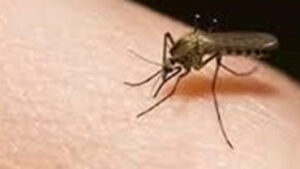
Calamine Lotion for Insect Bites and Skin IrritationsDear Colleagues; this week, I will share with you a formula used for the temporary relief of itching and pain associated with insect bites and minor skin irritations, which increase as the weather gets warmer.Calamine Lotion
Calamine …………………….. 15 g
Zinc oxide …………………….5 g
Bentonite ………………………..3 g
Sodium citrate ………..……0.5 g
Liquefied phenol …………0.5 ml
Glycerol ……………………….5 ml
Purified water ………. ad ..100 ml

Substances included in the formula
Calamine- Calamina- Prepared calamine:According to the British Pharmacopoeia (BP), calamine (Calamine BP 1993) consists of basic zinc carbonate colored with iron oxide. It is an amorphous, impalpable, pink or reddish-brown powder. According to the United States Pharmacopeia (USP), calamine consists of ZnO (98%) containing a small amount of iron oxide (Fe2O3). It is a fine pink powder. It is insoluble in water and practically completely soluble in mineral acids. Calamine is a medicinal agent with mild astringent and antipruritic effects that forms a protective barrier when applied to the skin. It is a mineral preparation containing at least 98% zinc oxide with a small amount of iron. Zinc oxide creates a physical barrier against irritants. It also exhibits a mild astringent effect because it absorbs water. It is included in the composition of dusting powders, creams, lotions, or ointments used in skin conditions. Calamine lotion can be used as a skin antiseptic. Calamine lotion contains 8% calamine and 8% pure zinc.Zinc oxide-zinci oxide-oxyde de zinc: It is an active substance with astringent properties known for its mild antiseptic properties. It is used in eczema, burns, diaper rash, and friction-related skin damage. Zinc oxide ointment contains 20% zinc oxide, while zinc oxide paste contains 25% zinc oxide. Zinc oxide is not absorbed through the skin, and since it is insoluble in water, it is applied in the form of powder, ointment, or paste.Bentonite-Hydrated aluminum silicate colloidal-Colloidal clay:It is a very fine powder. Insoluble in water. It swells with 12 times its volume of water. It is used in pharmacy for preparing suspension-type preparations. In the presence of acid, its gel property is disrupted. In alkalis, however, this property increases. It is used as an analgesic, anti-inflammatory, and antipyretic.Anhydrous sodium citrate – Citrate de sodium – Trisodium citrate:Sodium citrate is a white granular crystal or crystalline powder; it slowly deliquesces by absorbing moisture from the air in a humid environment. It is freely soluble in water; practically insoluble in alcohol. When its sterilized solutions are stored in glass containers, they may cause particles to detach from the container; solutions containing such particles should not be used.Phenic acid – Phenyl alcohol – Acid carbolique – Phenolum:Phenol occurs as colorless, light pink, or pale yellow, hygroscopic needle-shaped crystals or crystalline masses with a characteristic odor, which darken upon standing. The United States Pharmacopeia (USP) permits the addition of a suitable stabilizing agent. According to the United States Pharmacopeia (USP): It is soluble 1:15 in water and 1:70 in liquid paraffin; it is very soluble in alcohol, chloroform, ether, glycerol, and volatile oils. An aqueous solution of 1 g of phenol is clear and reacts neutral or acidic to litmus. It is incompatible with alkaline salts and non-ionic surfactants. Phenol is one of the oldest antiseptic-disinfectants. Nowadays, it is rarely used as an antiseptic. It also exhibits local anesthetic and analgesic effects. It is incorporated into the formulations of preparations used as topical analgesics for toothaches. Combined with benzocaine and ethanol, it is applied topically for toothaches, aphthous ulcers (it has not been found safe alone for the treatment of aphthous ulcers), herpes labialis, minor dental surgical procedures, and mild lesions and irritations in the mouth and gums caused by dentures and fillings. Its 0.5%–1% solutions are used for itching. Camphorated phenol is a local anesthetic preparation containing phenol, camphor, and liquid paraffin, and is used for toothaches. Phenol, in combination with camphor, is effective against mild pain and itching associated with insect bites, minor burns including sunburn, minor skin lesions, and other skin irritations. Its low-concentration solutions are also used for topical disinfection. Its 5% solution has been used in the disinfection of body discharges. Oily phenol solutions (Oily Phenol Injection, BP 1993) are used as an analgesic sclerosant for the treatment of internal hemorrhoids. For this purpose, it is injected into the tissue surrounding internal hemorrhoids. Its aqueous solutions are utilized as a sclerosant in the treatment of hydrocele. Phenol has been used as a neurolytic agent in 3%–4% solutions.CAUTION! Phenol is a severely corrosive poison when taken internally. It must never be swallowed. It can cause systemic toxicity by being absorbed through the skin or mucous membranes.In this regard, appropriate precautions must be taken to prevent absorption. Absorption of phenol vapors through the skin and lungs can also cause systemic toxicity. It exhibits antiseptic and disinfectant activity against Gram-positive and Gram-negative bacteria, mycobacteria, and certain fungi. Its effect against spores is very slow and inadequate. It is also effective against certain specific viruses. Its efficacy increases in acidic solutions. Aqueous solutions up to a 1% concentration exhibit bacteriostatic activity, while more concentrated solutions exhibit bactericidal activity. Phenol exerts its effect by increasing the permeability of the cytoplasmic membrane of bacteria and fungi. Phenol is applied topically only.Glycerol-Glycerine-Glycerol-85%: Glycerin is a clear, colorless or very pale, hygroscopic, syrupy liquid that is odorless or has very little odor and has a sweet taste. It is miscible with water and alcohol; slightly soluble in acetone; practically insoluble in chloroform, ether, fixed oils, and essential oils. Its aqueous solutions give a neutral reaction to litmus. According to the United States Pharmacopeia (USP), the pH of Glycerin Oral Solution, USP is between 5.5 and 7.5. Strong oxidizing agents form explosive mixtures with glycerin.Preparation:In a glass mortar, calamine, zinc oxide, bentonite, and sodium citrate are thoroughly levigated and softened with glycerin. Approximately 70 ml of boiled and cooled distilled water is added, and the mixture is triturated with a pestle until the characteristic slapping sounds are heard in the mortar. Then, liquid phenol is added, and the preparation is completed by bringing it to a volume of 100 ml with distilled water.
Best wishes for a good week…
Spec. Pharm. Ahmet Nezihi Pekcan
Pekcan Pharmacy – Konya
[email protected]
Tel: (332) 3520657http://www.majistralformul.com/